Construction, Grid Structure and Illusion in the Art of Vasarely and the Hungarian Neo-Avant-Garde
.png)
VASARELY DON’T GO HOME!
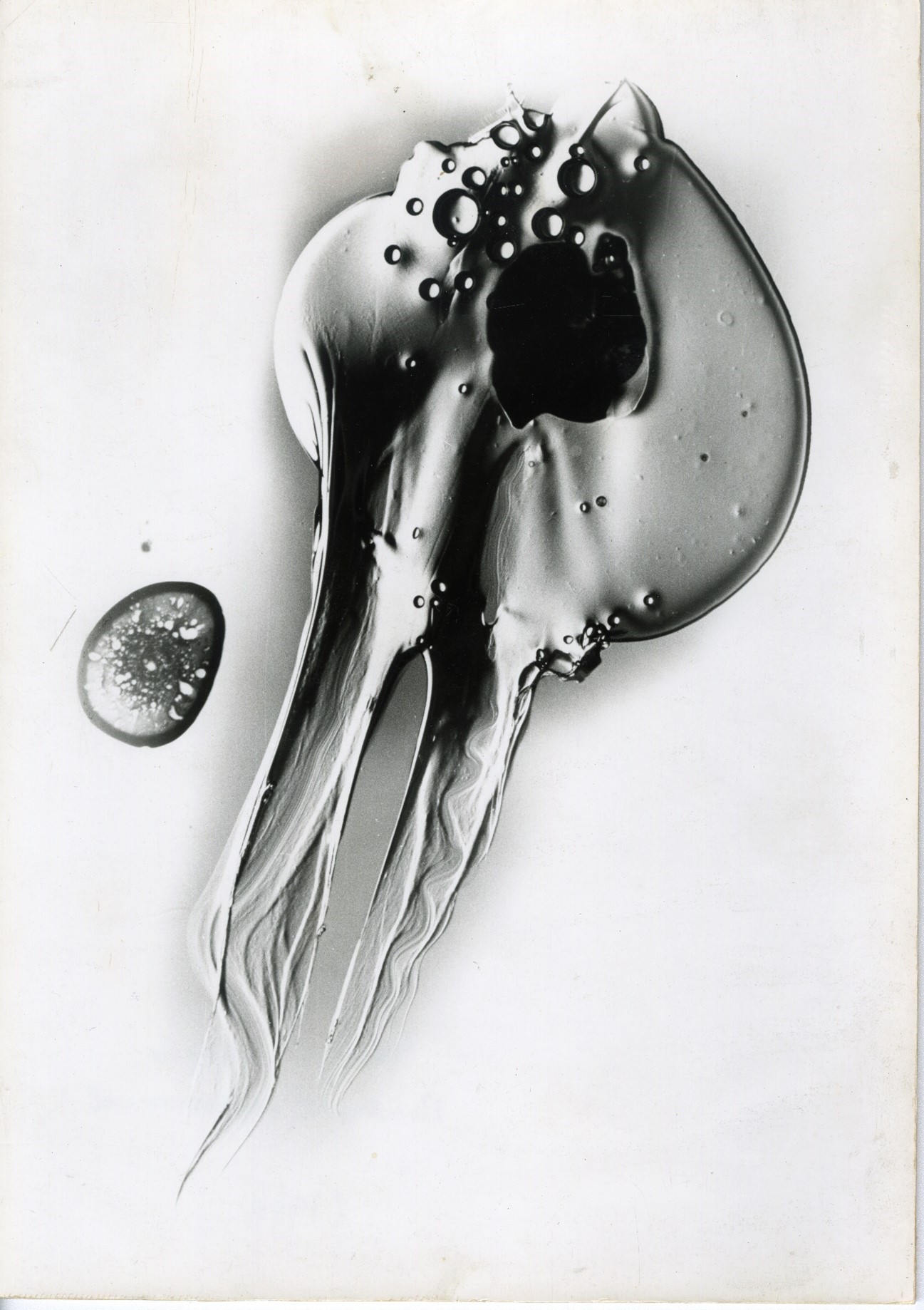
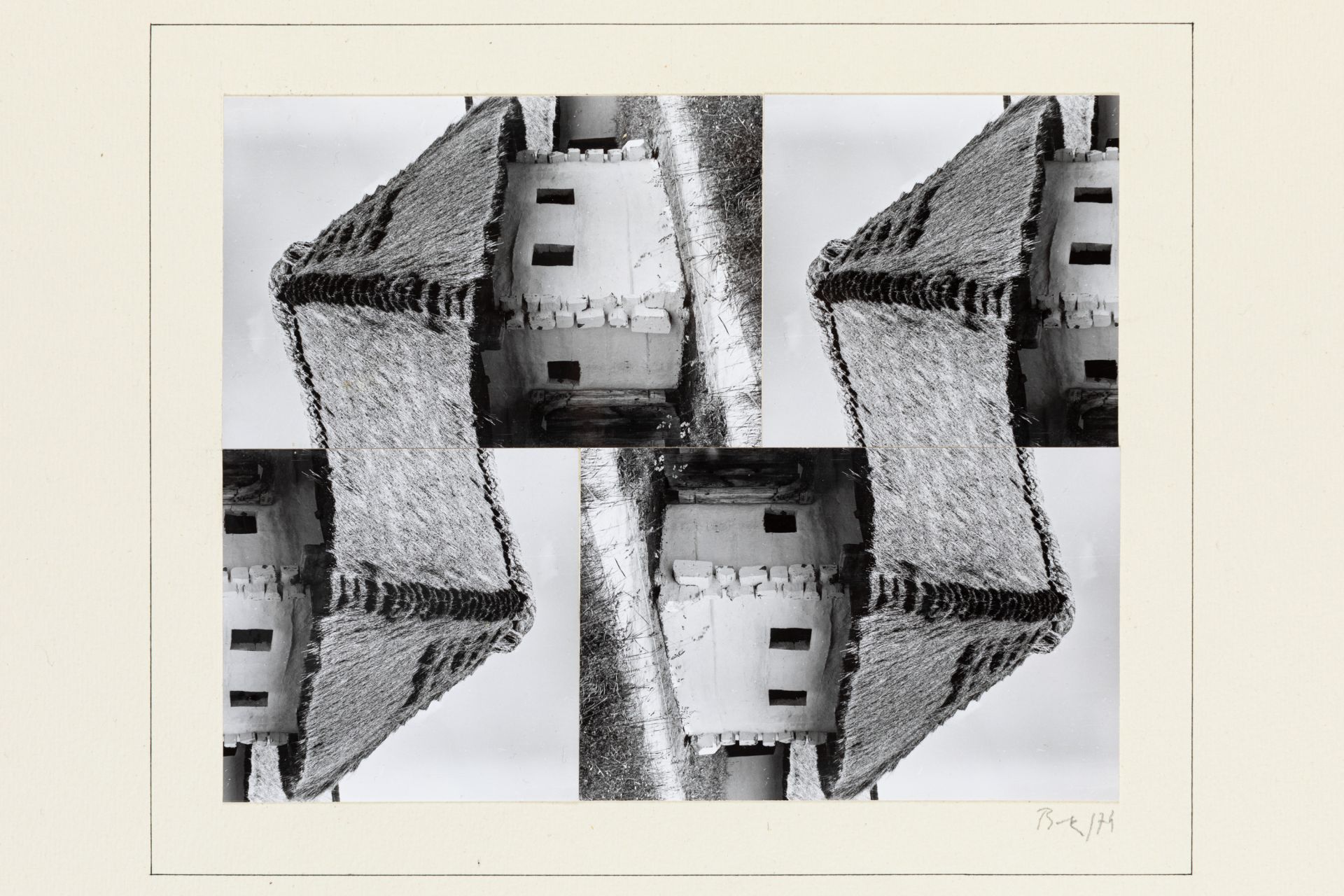
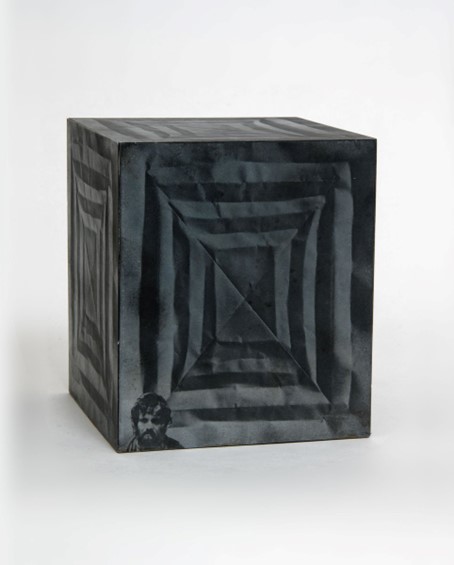
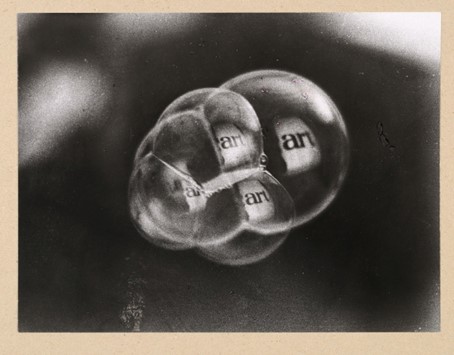
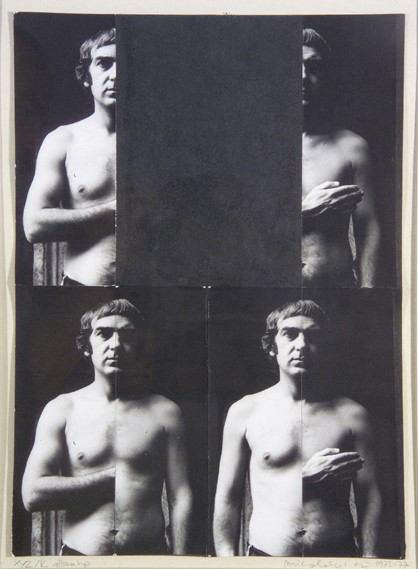
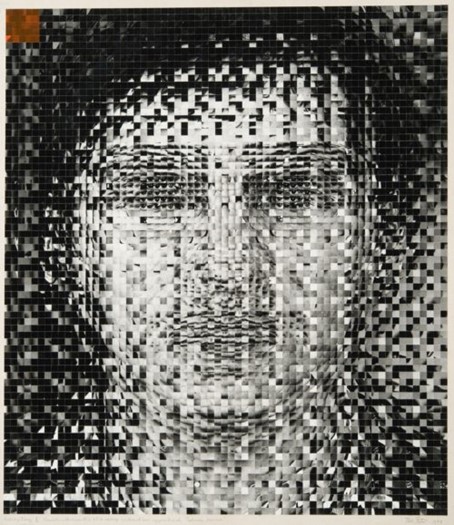
The exhibition titled VASARELY DON’T GO HOME! explores questions of illusion, construction and seriality through the neo-avant-garde art of the 1960s and 1970s, providing a new take on the parallel endeavours of Victor Vasarely and his contemporaries. The focal points are the concepts of ‘construction’, ‘illusion’ and the ‘grid’, which define the questions of the era that extend beyond the genre of painting. The photo-based works and experimental films included in the exhibition explore how these phenomena emerge at the limits of the perception and interpretation of reality.
Victor Vasarely 120 – An exhibition series at three venues
Three Budapest institutions join forces to celebrate the 120th anniversary of Victor Vasarely, one of the most influential figures in Op Art and geometric abstraction.
Museum of Fine Arts – Vasarely 120 (15 May – 16 August)
A retrospective exhibition paying tribute to the master of Op Art and geometric abstraction.
Hungarian National Gallery – Kinetic Visions. Nicolas Schöffer and Victor Vasarely in Dialogue (19 March – 23 August)
A chamber exhibition presenting the impact of kinetic and constructive art through a dialogue between the two artists.
NEO Contemporary Art Space – VASARELY DON’T GO HOME! (14 May – 13 September)
An exhibition exploring Vasarely’s influence on Hungarian art from the perspective of the experimental practices of the 1960s and 1970s.
Forming part of a series that marks the 120th anniversary of Victor Vasarely’s birth, VASARELY DON’T GO HOME! approaches the artist’s influence in Hungary from the standpoint of experimental practices in the 1960s and 1970s. While the large-scale retrospective at the Museum of Fine Arts presents a comprehensive overview of Vasarely’s oeuvre and his role in the development of geometric abstraction and Op Art, this exhibition adopts the perspective of the neo-avant-garde aspirations of the period.
The exhibition’s title refers to an action from 1969 that encapsulates the contradictions linked to Vasarely’s reception at the time, while continuing to raise relevant questions about the relationship between art, politics and the artistic canon. Engaged in dialogue with this context, the exhibition introduces a new perspective and, together with the Hungarian National Gallery’s focus exhibition, proposes a broader interpretation of Vasarely’s life’s work.
Guides for the exhibition
Visitor information related to the exhibition, valid in the spaces of NEO, is available by clicking here.
A combined ticket valid for all three exhibitions is available for HUF 7,600. Reduced combined ticket: HUF 3,800 (ages 6–26, 62–70, other eligible visitors). Valid for all three exhibition venues, 1 visit to each.